Remote vs in-person workshop facilitation: what actually differs
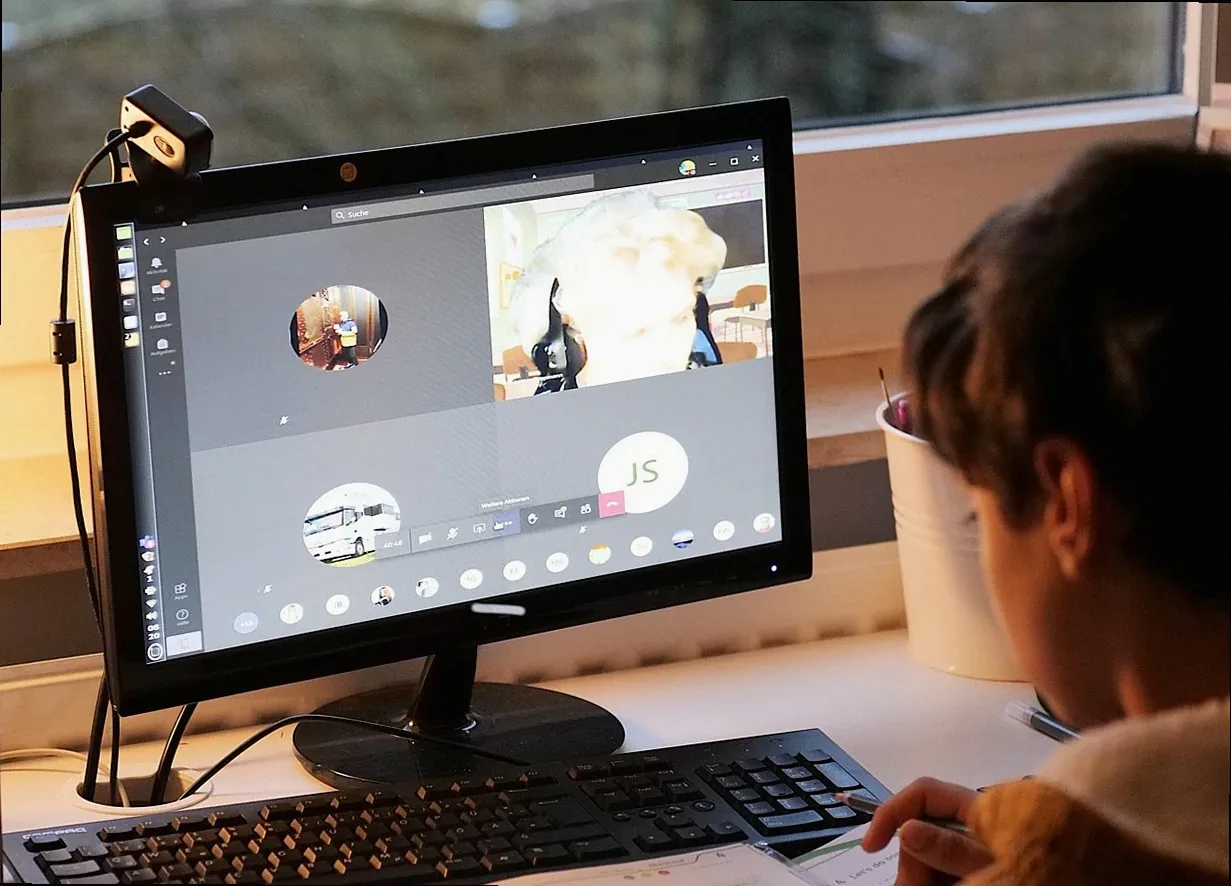
The question of remote versus in-person comes up on almost every workshop enquiry. The honest answer is that both formats work, but they work differently. The facilitation approach, the agenda structure, and the way the output is captured all need to adjust depending on which format you are in.
What remote does well
Remote workshops are easier to schedule, cheaper to run, and often produce more honest input from quieter participants. When people are not in the same room, the social dynamics that cause some voices to dominate are reduced. A well-designed remote session can surface perspectives that would not have emerged in person.
The key is structure. A remote workshop needs a tighter agenda than an in-person one, shorter blocks of time, and more explicit transitions between activities. Without those, attention drifts in a way that does not happen as quickly in a room.
What in-person does well
In-person workshops are better for work that requires genuine collaboration rather than individual input. When the group needs to build on each other's ideas in real time, to sketch things out, to argue productively, the physical room helps. The energy is different and it is harder to replicate remotely.
In-person also works better when the team has a difficult relationship with each other. Some conversations need to happen face to face. A remote session can surface the disagreement but it is harder to resolve it without being in the same room.
The agenda difference
For a full-day in-person session, blocks of 90 minutes with breaks work well. For a full-day remote session, 45-minute blocks with more frequent breaks are more realistic. The total working time is similar but the rhythm is different.
The written summary is the same in both formats. It goes out within 48 hours of the session and covers the key decisions, the open questions, and the agreed next steps. That document is often more useful than the session itself, because it gives the team something to refer back to.
The format matters less than the preparation. A well-prepared remote session will outperform a poorly prepared in-person one every time.